
The Web3 space is evolving at a staggering pace, and marketers are constantly exploring new ways to engage audiences, build communities, and drive adoption for blockchain projects. Among the most innovative strategies emerging in 2026 is Kaito Leaderboard Marketing, a system designed to gamify engagement, reward participants, and create a dynamic ecosystem of loyal users. In this blog, we will explore how to build a powerful Web3 campaign plan using Kaito Leaderboard Marketing, highlighting practical steps, tools, and strategies to maximize reach, engagement, and conversions.
Understanding Web3 Campaigns and Their Unique Challenges
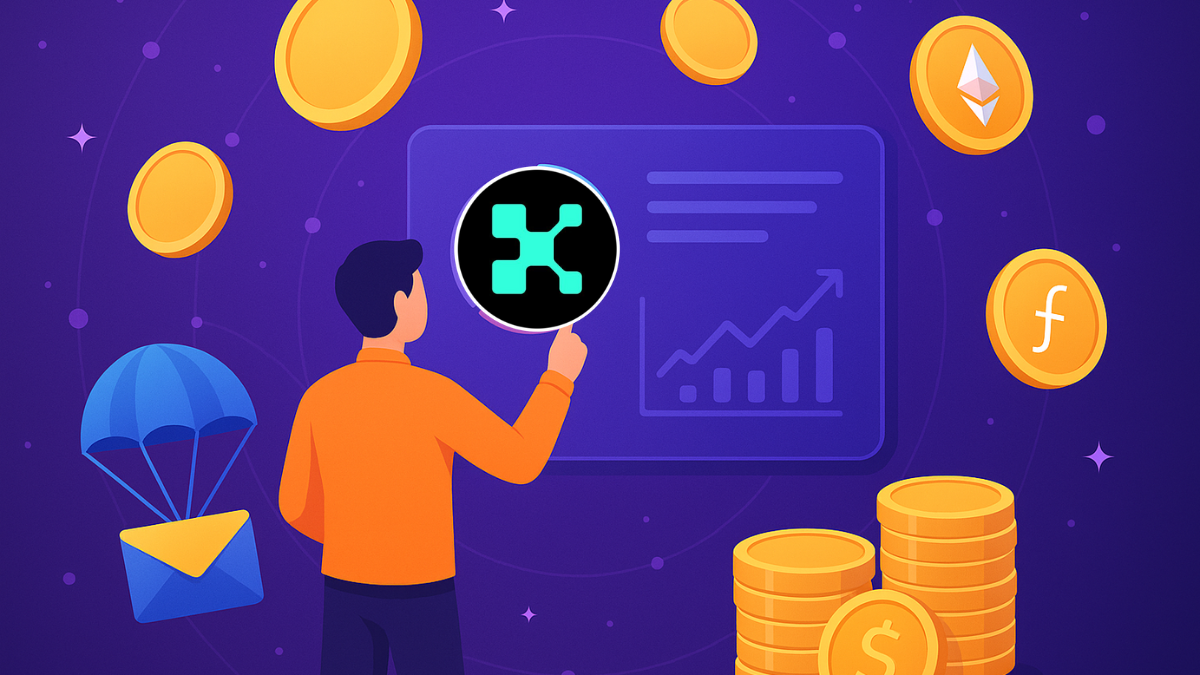
A Web3 campaign differs fundamentally from traditional digital campaigns because it centers around decentralization, community ownership, and token-driven incentives. Unlike conventional marketing, where impressions and clicks are primary KPIs, Web3 campaigns measure success through metrics like active wallet addresses, token engagement, NFT interactions, and DAO participation.
However, these campaigns also come with unique challenges. Community members expect transparency, meaningful rewards, and a fair distribution of opportunities. Projects often struggle with sustaining engagement beyond the initial hype, navigating complex blockchain ecosystems, and creating gamified experiences that truly motivate users. Understanding these challenges is the first step in designing a Web3 campaign that resonates with audiences.
What Is Kaito Leaderboard Marketing?
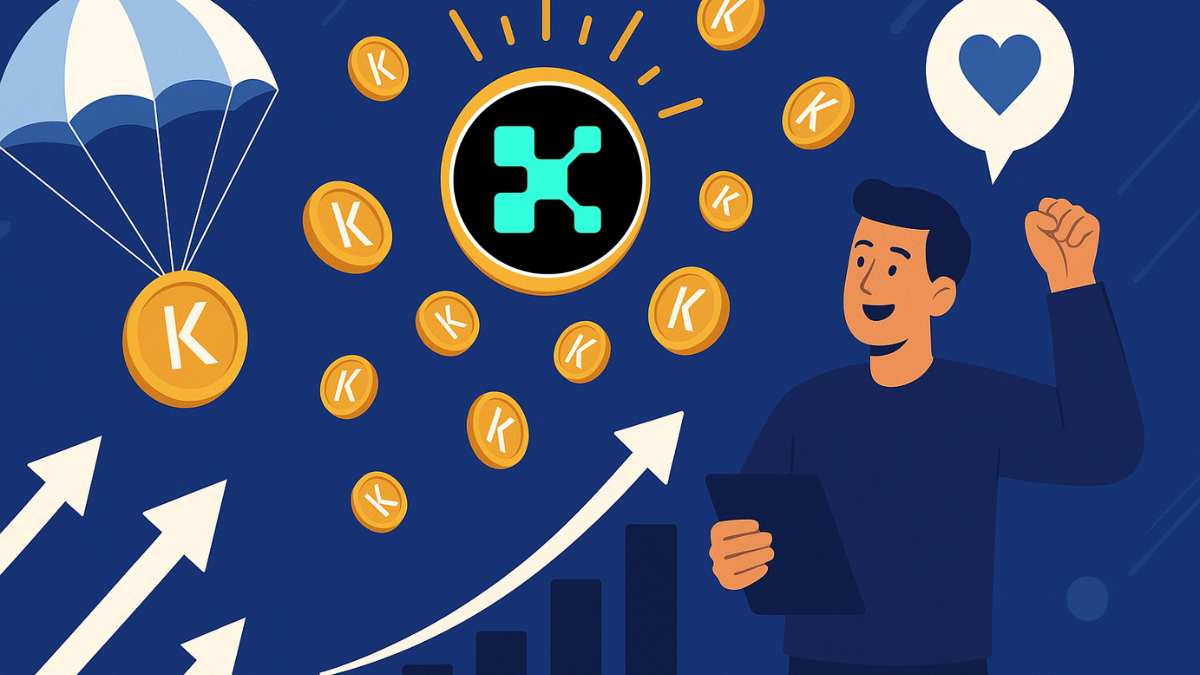
Kaito Leaderboard Marketing is a gamification-driven approach that encourages users to participate actively in a project’s ecosystem by tracking contributions, rewarding top performers, and promoting healthy competition. Participants earn points, badges, or tokens based on actions such as sharing content, staking tokens, inviting friends, or completing tasks. The leaderboard displays the highest-ranking users, motivating others to compete for recognition and rewards.
This system benefits both marketers and communities. It boosts user retention, drives virality through referral mechanics, and incentivizes meaningful engagement. By creating transparent and gamified participation frameworks, projects can scale their campaigns while maintaining community enthusiasm.
Setting Clear Goals for Your Web3 Campaign
Before implementing a Kaito Leaderboard Marketing strategy, it is crucial to define clear campaign goals. These could include increasing token adoption, growing the number of active users, expanding social media reach, boosting NFT collection sales, or driving participation in governance proposals.
Clear goals allow your campaign to remain focused and measurable. For instance, if your aim is to grow community participation, the leaderboard tasks should align with actions that directly increase engagement, such as completing educational modules, sharing project updates, or contributing to discussions. By tying actions to measurable outcomes, you ensure the leaderboard drives meaningful results.
Identifying Target Audiences in the Web3 Ecosystem
Web3 audiences are diverse, ranging from crypto-native enthusiasts and NFT collectors to casual users exploring blockchain projects for the first time. Effective campaigns start with audience segmentation. Kaito Leaderboard Marketing allows projects to tailor engagement strategies for different groups.
For instance, experienced traders might be incentivized with token rewards for governance participation, while newcomers may earn points for completing educational content or attending virtual events. Understanding your audience’s motivations ensures your leaderboard structure appeals to all participant types, increasing the likelihood of long-term engagement.
Designing Gamified Incentives That Motivate Users
The core of Kaito Leaderboard Marketing is gamification. Incentives must be carefully designed to motivate users without creating token inflation or over-reliance on rewards. Common incentives include:
Tokens: ERC-20 or project-native tokens for completing tasks.
NFTs: Unique or rare NFTs as limited-time rewards.
Exclusive Access: Early access to features, private channels, or beta programs.
Recognition: Badges, titles, or public acknowledgment on leaderboards.
Successful campaigns balance extrinsic rewards (tokens, NFTs) with intrinsic rewards (recognition, skill development, community influence). By gamifying actions, users feel a sense of accomplishment while driving project objectives.
Mapping the User Journey With Kaito Leaderboards
A strong Web3 campaign requires understanding the user journey from awareness to engagement to retention. Kaito Leaderboard Marketing helps map this journey by defining tasks and rewards at each stage:
Awareness: Share posts, invite friends, or complete educational challenges.
Engagement: Stake tokens, participate in governance, or interact with NFTs.
Retention: Maintain activity over time, unlock higher-tier rewards, and climb the leaderboard.
By aligning tasks with different journey stages, campaigns ensure consistent engagement while incentivizing users to progress deeper into the ecosystem.
Integrating Kaito Leaderboards With Your Existing Marketing Stack
For maximum impact, Kaito Leaderboard Marketing should integrate seamlessly with other marketing tools and platforms. Social media channels, email campaigns, Discord servers, and blockchain analytics tools can all complement leaderboard initiatives.
For example, automated notifications can remind participants of their ranking, reward milestones, or upcoming challenges. Analytics dashboards track user activity, allowing marketers to optimize tasks, identify engagement trends, and refine incentive structures. Integration ensures a cohesive experience, bridging gamification with broader Web3 marketing objectives.
Launching a Pre-Campaign Teaser Strategy
Before the official leaderboard campaign, tease your audience to generate excitement. Pre-campaign activities may include:
Sneak peeks of leaderboard dashboards
Announcing upcoming rewards or rare NFT drops
Hosting AMA sessions to explain campaign mechanics
Offering early registration bonuses
Pre-launch engagement builds anticipation and ensures users are ready to participate from day one, creating a strong momentum that carries through the main campaign.
Measuring Success With Leaderboard Analytics
Data-driven insights are crucial to refining Web3 campaigns. Kaito Leaderboard Marketing provides actionable metrics such as:
Number of active participants
Points earned per task type
Top-performing users and referral influencers
Completion rates for specific challenges
Analyzing these metrics allows marketers to identify high-impact activities, optimize reward structures, and adjust campaigns in real-time to sustain engagement and achieve predefined goals.
Leveraging Community Feedback for Continuous Improvement
A Web3 campaign thrives when communities feel heard. Collecting feedback from leaderboard participants helps identify friction points, reward preferences, and feature requests.
Engaging the community in refining the leaderboard mechanics not only improves user experience but also fosters loyalty. Participants are more likely to remain active when they feel their input shapes the campaign, creating a cycle of continuous improvement and sustained engagement.
Case Studies: Successful Web3 Campaigns Using Leaderboards
Several Web3 projects have demonstrated the power of leaderboard-driven campaigns. Projects that combined token rewards, NFTs, and social engagement saw substantial growth in active users and long-term retention.
For example, gamified campaigns in NFT drops often used leaderboard mechanics to incentivize social sharing and community referrals, leading to viral growth. Staking campaigns integrated leaderboards to reward the most loyal participants, which helped stabilize token liquidity and increase governance participation.
Optimizing Campaigns for Long-Term Engagement
Short-term engagement is easy to achieve, but sustaining activity requires strategic planning. Introducing tiered challenges, seasonal events, and leaderboard resets can keep participants motivated.
Additionally, combining leaderboards with other Web3 elements like DAOs, staking, and NFT ecosystems encourages deeper integration into the project, promoting long-term loyalty rather than fleeting engagement.
Future Trends in Web3 Gamified Campaigns
As Web3 evolves, leaderboard marketing is likely to integrate with advanced AI analytics, cross-chain participation, and more immersive metaverse experiences. Predictive analytics can help identify potential high-value users, while cross-chain rewards expand the ecosystem reach.
Innovations such as AI-driven personalized challenges, metaverse-based competitions, and fractional NFT rewards will redefine user engagement, making leaderboard campaigns even more dynamic and effective.
Conclusion
Building a powerful Web3 campaign plan with Kaito Leaderboard Marketing requires strategic planning, gamified incentives, community alignment, and data-driven insights. By leveraging gamification, rewards, and competition, projects can drive deep engagement, grow their communities, and achieve sustainable success in the Web3 space. As blockchain ecosystems continue to mature, leaderboard marketing will remain a key tool for campaigns aiming to capture attention, reward participation, and foster loyalty.













Write a comment ...