
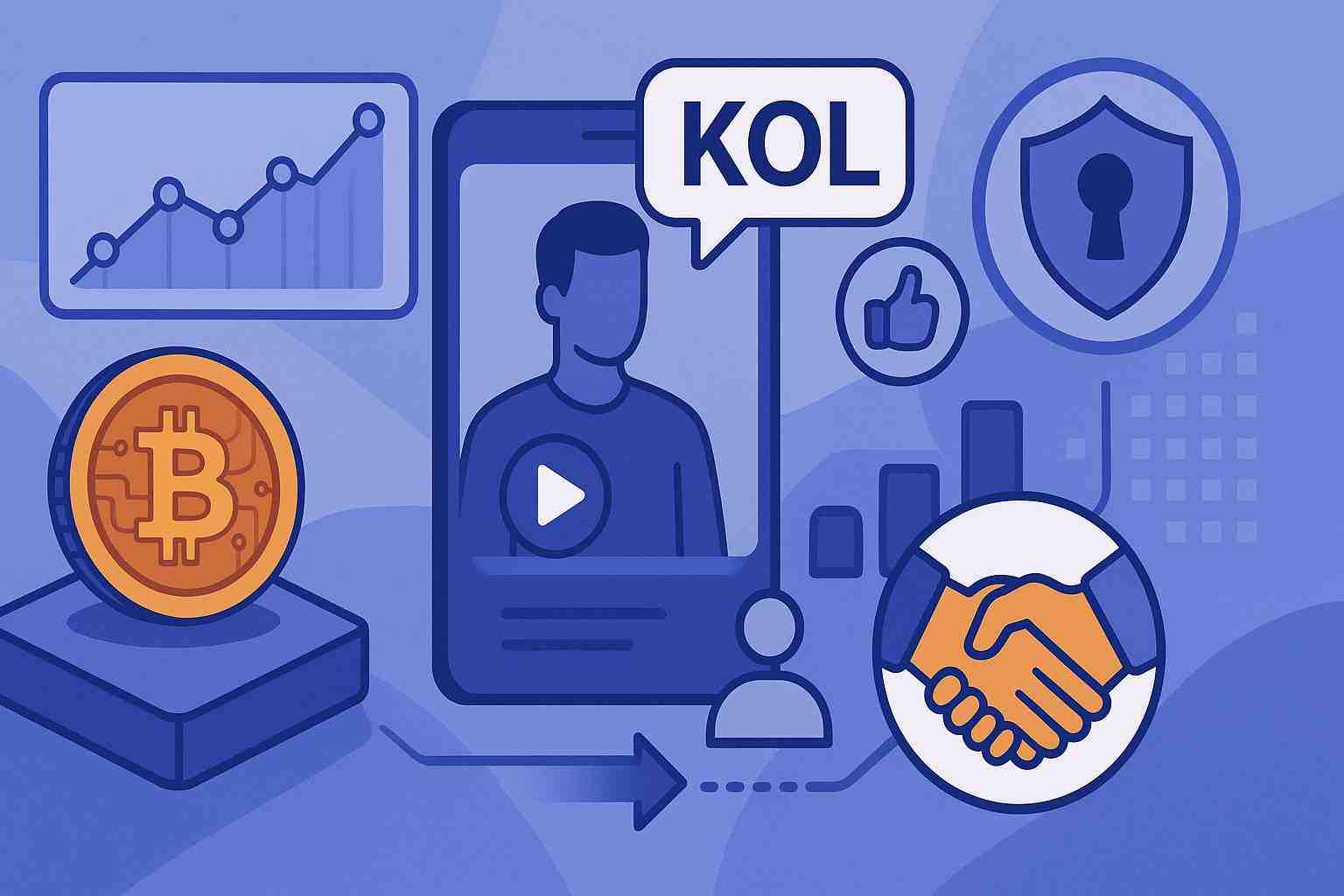
South Korea has emerged as one of the most influential digital economies in Asia, driven by advanced mobile infrastructure, socially connected audiences, and trend-leading creators. In this environment, Key Opinion Leaders, commonly known as KOLs, play a central role in shaping opinions, accelerating adoption, and building trust across technology, finance, gaming, beauty, and Web3 sectors. Launching a successful KOL campaign in South Korea requires more than selecting popular influencers. It demands cultural understanding, platform intelligence, regulatory awareness, and a carefully structured execution framework.
This guide explores how organizations can design, launch, and optimize a high-impact KOL campaign tailored to the Korean digital ecosystem, with strategic depth, market insights, and practical implementation guidance.
Understanding the Role of KOLs in the South Korean Digital Landscape
KOLs in South Korea function as trusted voices rather than mere content distributors. Unlike Western influencer culture, Korean KOLs often build authority through expertise, consistency, and community credibility. Their audiences view them as reliable sources of interpretation rather than promotional channels. This distinction is critical because Korean audiences exhibit high sensitivity to authenticity and transparency.
The Korean digital ecosystem is heavily shaped by platform-specific behavior. Naver, Kakao, YouTube, AfreecaTV, and increasingly Telegram and X serve distinct communities. KOLs adapt their communication style according to platform norms, creating long-form analysis, live discussions, or micro-commentary depending on where their audience engages most actively.
Understanding how influence flows through these networks is foundational. Influence in Korea is not solely defined by follower volume but by engagement quality, thematic consistency, and historical reputation. Winning campaigns therefore prioritize relevance over reach.
Defining Clear Strategic Objectives Before Campaign Design
A winning KOL campaign begins with precise objective definition. Without a clear strategic anchor, even high-visibility collaborations risk producing short-term attention without long-term value.
Objectives typically fall into several categories. Awareness-driven campaigns focus on discovery and positioning. Education-focused campaigns emphasize product comprehension, protocol explanation, or technical understanding. Trust-oriented campaigns aim to build legitimacy for new brands or emerging technologies. Conversion-aligned campaigns guide users toward onboarding, downloads, or ecosystem participation.
Each objective influences KOL selection, content format, timeline, and performance metrics. Awareness campaigns benefit from high-visibility creators and broad reach platforms. Educational campaigns require technically competent KOLs capable of producing in-depth content. Trust campaigns rely on veteran commentators with established credibility.
Defining success metrics at this stage prevents later misalignment. Metrics may include content views, community growth, referral engagement, retention behavior, or sentiment quality rather than superficial impressions.
Analyzing the Korean Audience and Cultural Communication Norms
Korean audiences respond strongly to contextual relevance and cultural fluency. Direct promotional language often triggers skepticism, while narrative-driven explanation earns higher acceptance. Successful KOL campaigns integrate education, commentary, and subtle endorsement rather than overt calls to action.
Hierarchy and reputation also shape communication dynamics. Senior creators, analysts, or founders often carry more persuasive weight than entertainment-focused influencers when addressing finance, blockchain, or technology topics. Younger creators may perform better in lifestyle, gaming, and consumer applications.
Language tone matters significantly. Korean audiences prefer structured explanation, logical sequencing, and respectful phrasing. Informal slang may work in gaming and entertainment but reduces credibility in financial or enterprise contexts. Campaigns that localize not only language but rhetorical style achieve stronger resonance.
Time sensitivity is another factor. Korean digital culture reacts quickly to trends but disengages equally fast from repetitive narratives. Campaigns must synchronize timing with market sentiment, regulatory developments, or product milestones.
Mapping the Platform Ecosystem for Maximum Campaign Coverage
South Korea operates a multi-platform influence architecture where each channel plays a specialized role. Understanding this ecosystem enables precise distribution planning.
YouTube remains dominant for long-form education, protocol breakdowns, and deep-dive analysis. It is ideal for product walkthroughs, token mechanics explanation, or platform reviews. X and Telegram serve as rapid commentary channels, driving real-time updates, announcements, and opinion circulation. Naver blogs and cafes host long-term searchable content that builds durable visibility. AfreecaTV and live streaming platforms enable interactive demonstrations and Q&A sessions.
Rather than relying on a single platform, winning campaigns orchestrate multi-channel exposure. Long-form content establishes authority, short-form commentary amplifies reach, and community platforms sustain engagement.
Platform selection should reflect audience behavior rather than brand preference. Crypto traders may concentrate on Telegram and X, while enterprise audiences follow Naver and YouTube. Gaming communities respond strongly to live streaming and Discord-linked channels.
Identifying and Vetting High-Impact Korean KOLs
KOL identification in South Korea extends beyond follower analytics. Vetting focuses on credibility history, thematic alignment, audience trust, and content consistency.
High-value KOLs demonstrate domain expertise, long-term content specialization, and stable community interaction. Their historical commentary reveals whether they prioritize analytical depth or trend chasing. Reviewing past collaborations helps assess disclosure practices, brand selectivity, and audience reaction patterns.
Engagement quality matters more than engagement volume. A creator with moderate followers but high discussion density often outperforms celebrity influencers in specialized sectors. Comment analysis reveals audience sophistication and sentiment alignment.
Compliance awareness is also essential. Korean regulations require disclosure of sponsored content, particularly in finance and technology. Professional KOLs understand these requirements and integrate transparency naturally without damaging credibility.
Long-term relationship potential should guide selection. Sustainable influence partnerships outperform transactional one-off promotions by building narrative continuity and progressive trust.
Structuring the Campaign Architecture and Content Flow
Campaign architecture determines how influence unfolds across time, platforms, and narrative layers. Winning campaigns avoid single-burst execution and instead build phased momentum.
The first phase typically introduces context and relevance. KOLs discuss market trends, user problems, or emerging narratives without direct product mention. This primes audience curiosity organically.
The second phase introduces the product, platform, or protocol within analytical or experiential content. Here, KOLs share personal exploration, walkthroughs, or testing results. Transparency about sponsorship reinforces trust.
The third phase deepens education and validation. Follow-up videos, comparison content, community AMAs, and expert interviews expand understanding and reinforce credibility.
The final phase encourages participation through tutorials, ecosystem engagement, or referral mechanisms. Conversion occurs naturally as a consequence of accumulated trust rather than forced persuasion. This layered approach mirrors Korean audience decision behavior, which favors gradual confidence building over impulsive adoption.
Designing Content Formats That Drive Trust and Retention
Content design shapes perception more than messaging. Korean audiences prefer substance over spectacle, particularly in technology and finance.
Educational explainers perform strongly. Step-by-step guides, architecture breakdowns, risk analysis, and roadmap interpretation establish authority. Case studies and personal testing narratives humanize complex systems.
Live sessions create intimacy and transparency. Real-time Q&A allows creators to address skepticism, demonstrate product behavior, and clarify uncertainties. Recorded highlights extend lifecycle value.
Comparative content builds credibility. When KOLs objectively compare competing platforms or methodologies, audiences perceive higher honesty. Even acknowledging limitations strengthens trust. Consistency matters. Repeated mentions across different formats reinforce memory and legitimacy. Sporadic one-time mentions fade quickly from audience consciousness.
Navigating Regulatory and Disclosure Frameworks in Korea
South Korea maintains strict advertising and financial disclosure standards. KOL campaigns must operate within these frameworks to protect both brand and creator reputation.
Sponsored content requires clear labeling, particularly in crypto, fintech, and investment-related topics. Failure to disclose can trigger regulatory penalties and audience backlash. Professional KOLs integrate sponsorship statements naturally at the beginning of content.
Claims must remain factual and verifiable. Exaggerated performance promises, speculative price commentary, or misleading comparisons risk legal exposure and platform sanctions.
Campaign contracts should specify content boundaries, compliance responsibilities, and review protocols. Brands should avoid script control that compromises creator authenticity, while ensuring factual accuracy.
Regulatory alignment enhances campaign credibility rather than restricting it. Transparent campaigns often outperform covert promotions in trust-sensitive Korean markets.
Managing Community Interaction and Post-Launch Engagement
Influence does not end at publication. Community management determines whether attention converts into sustained ecosystem participation.
Monitoring comment sections, forum discussions, and social replies reveals audience sentiment patterns. Early clarification of misconceptions prevents narrative drift. Responsive interaction by KOLs amplifies perceived authenticity.
Community events extend campaign lifespan. Follow-up AMAs, update sessions, and milestone discussions keep the narrative active beyond the initial launch window.
User-generated content often emerges organically when campaigns resonate. Highlighting community testimonials, tutorials, or feedback loops reinforces social proof. Brands should support creators with timely updates, roadmap clarity, and data transparency to enable accurate ongoing commentary.
Measuring Performance Beyond Surface-Level Metrics
Traditional influencer metrics inadequately capture KOL campaign impact in Korea. Advanced measurement frameworks focus on behavioral and attitudinal indicators.
Engagement depth matters more than raw views. Comment quality, discussion length, question frequency, and repeat viewers signal genuine interest. Referral traffic quality, session duration, and onboarding completion provide stronger conversion insight.
Sentiment analysis reveals trust trajectory. Positive neutrality often indicates early credibility, while enthusiastic advocacy signals long-term brand alignment.
Longitudinal tracking matters. Successful campaigns demonstrate delayed but durable adoption rather than immediate spikes followed by decay. Attribution modeling should integrate multi-touch exposure, recognizing that Korean audiences often consume multiple creator perspectives before acting.
Building Long-Term Influence Partnerships Instead of Short Campaigns
The most successful Korean KOL strategies evolve into long-term partnerships. Continuous collaboration builds narrative continuity, mutual credibility, and audience familiarity.
Long-term KOLs become ecosystem ambassadors rather than advertisers. They participate in roadmap discussions, beta testing, governance commentary, and community governance dialogues.
Such partnerships reduce acquisition costs over time, improve retention quality, and generate organic advocacy. They also insulate brands from short-term reputation shocks by embedding them within trusted creator networks. Relationship management requires fair compensation, creative freedom, strategic transparency, and performance feedback loops.
Integrating KOL Campaigns with Broader Market Strategy
KOL campaigns perform best when integrated into broader go-to-market frameworks. Coordination with PR, content marketing, community growth, and product launches multiplies impact.
Synchronizing announcements with platform milestones ensures narrative relevance. Aligning with regional events, conferences, or regulatory updates increases topical resonance.
Cross-border amplification extends influence beyond Korea into Japan, Southeast Asia, and global crypto communities. Korean KOLs often act as regional trend catalysts, making their narratives influential across Asia. Strategic integration transforms KOL campaigns from tactical marketing into core market positioning instruments.
Anticipating Future Trends in Korean KOL Campaigns
The Korean influence landscape continues to evolve rapidly. AI-generated analysis, community-driven micro-KOLs, and decentralized content platforms are reshaping influence dynamics.
Expert-led communities increasingly outperform mass influencer models. Technical credibility and analytical depth gain importance as audiences mature.
Cross-platform identity consolidation allows KOLs to maintain narrative consistency across media. Token-gated communities and subscription models deepen loyalty. Brands that invest early in emerging creators and knowledge-driven communities secure durable influence advantages.
Conclusion
Launching a winning KOL campaign in South Korea requires more than influencer selection. It demands cultural intelligence, platform mastery, regulatory awareness, narrative architecture, and long-term relationship strategy.
The KOL marketing Korea rewards authenticity, expertise, and consistency. Campaigns that educate rather than persuade, contextualize rather than hype, and engage rather than broadcast achieve sustainable success. By aligning objectives with audience behavior, selecting credible creators, designing phased content flows, and measuring deep performance indicators, organizations can transform KOL campaigns into powerful engines of trust, adoption, and market leadership.














Write a comment ...