
Community growth has become one of the most decisive factors for the long-term success of any crypto project. In Korea, where blockchain adoption, retail participation, and digital engagement are exceptionally strong, building and sustaining an active crypto community requires a localized and well-structured approach. Crypto marketing in Korea is not limited to awareness campaigns or token promotions; it is deeply connected with trust building, reputation management, regulatory compliance, and long-term engagement strategies. A strong community in Korea often determines whether a project gains credibility, attracts investors, and sustains adoption through market cycles. Planning community growth in this environment demands cultural understanding, platform-specific execution, and continuous value creation. This guide explores how to design and implement a community growth strategy tailored to the Korean crypto ecosystem, focusing on research, positioning, communication channels, influencer integration, governance models, and performance tracking.
Understanding the Korean Crypto Landscape
The Korean crypto market is shaped by a combination of high digital literacy, strong retail trading culture, and a regulatory framework that emphasizes transparency and compliance. Korean users are highly active on local platforms such as KakaoTalk, Naver, and domestic exchanges, making community formation more centralized and discussion-driven. Unlike many global markets, Korean participants often rely on community sentiment, peer recommendations, and KOL opinions before engaging with a new project. This makes community trust a core strategic asset rather than a secondary outcome. Planning growth begins with understanding how Korean users consume information, how regulatory updates influence behavior, and how local narratives shape project credibility. Without aligning with these structural realities, community efforts tend to remain superficial and short-lived.
Defining Clear Community Growth Objectives
Planning community growth starts with setting measurable and realistic objectives. In the Korean context, objectives usually go beyond follower numbers and include engagement quality, sentiment stability, governance participation, and conversion to active users. A well-defined objective framework clarifies whether the project is targeting early adopters, retail investors, developers, or enterprise partners. Growth planning should distinguish between awareness-stage communities and adoption-stage communities, as each requires different communication depth and activity frequency. In Korea, long-term reputation often matters more than rapid scaling, so objectives must balance volume with credibility. Clear milestones help structure content calendars, influencer collaborations, and onboarding flows in a way that supports sustained growth rather than short-term spikes.
Identifying the Right Target Segments
Community growth planning requires precise audience segmentation. Korean crypto communities include retail traders, NFT collectors, DeFi users, gaming participants, and institutional observers, each with distinct motivations and communication preferences. Retail users often seek price insights and exchange updates, while developers and technical users value documentation, roadmap clarity, and governance transparency. Effective crypto marketing in Korea maps these segments to specific platforms and discussion formats. KakaoTalk groups often attract retail traders, while Naver Cafés and Discord communities host long-form discussions and developer interactions. Growth planning must prioritize segments that align with the project’s core utility rather than pursuing generalized traffic. This ensures the community evolves as a functional ecosystem rather than a passive audience.
Crafting a Localized Community Narrative
Narrative development is central to community formation in Korea. Korean audiences respond strongly to stories that emphasize technological credibility, domestic relevance, and long-term contribution to the blockchain ecosystem. Generic global messaging rarely sustains engagement in this market. A localized narrative highlights how the project aligns with Korean innovation culture, regulatory values, and market needs. It should explain not only what the product does but also why it matters to Korean users specifically. Community growth planning integrates this narrative across announcements, onboarding materials, FAQs, and governance discussions. Consistency in narrative tone and positioning builds recognition and trust over time, which is essential in a market where skepticism toward speculative projects remains high.
Selecting Core Community Platforms
Platform selection defines how a community evolves and scales. In Korea, KakaoTalk remains the primary real-time communication channel, while Telegram and Discord support international interaction layers. Naver Cafés provide long-form community spaces for structured discussions, announcements, and archived resources. Planning growth requires designing a platform hierarchy where each channel serves a distinct purpose. Announcement channels focus on official updates, discussion groups facilitate peer interaction, and governance forums enable structured decision-making. A fragmented platform strategy often weakens engagement and dilutes moderation control. Successful community planning in Korea emphasizes centralization with clear channel roles, ensuring members can easily navigate information flows and participation pathways.
Designing a Structured Onboarding Experience
Onboarding determines whether new members become active contributors or passive observers. In Korean crypto communities, structured onboarding reduces confusion and increases early engagement. This includes welcome messages, role-based access, pinned resources, and introductory discussion threads. Growth planning integrates onboarding with educational content that explains token utility, roadmap stages, governance rights, and risk disclosures. Korean users often value clarity and procedural transparency, so onboarding materials should be concise, well-organized, and compliant with local communication standards. A thoughtful onboarding process accelerates trust formation and shortens the time required for new members to participate meaningfully in discussions and initiatives.
Integrating Educational Content into Community Growth
Education plays a central role in sustaining Korean crypto communities. Users actively seek project documentation, technical explainers, regulatory updates, and market insights. Growth planning incorporates regular educational sessions, written guides, and community-led discussions to maintain intellectual engagement. This reduces speculative behavior and positions the community as a knowledge-driven environment. In Korea, educational content often performs better when presented in Korean language with locally relevant examples and terminology. A continuous education strategy transforms the community into a learning network, strengthening retention and encouraging peer-driven advocacy.
Leveraging KOL and Thought Leader Participation
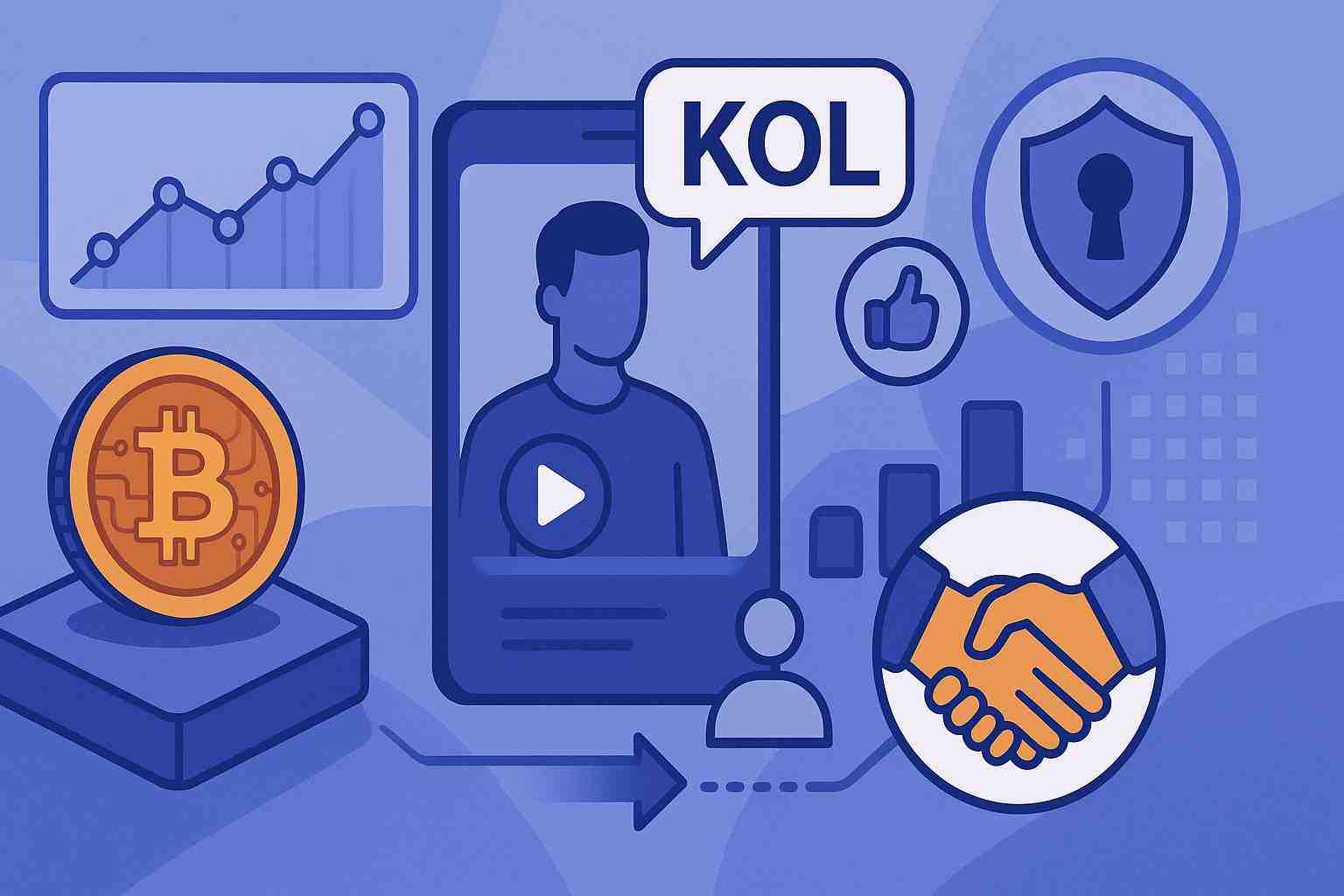
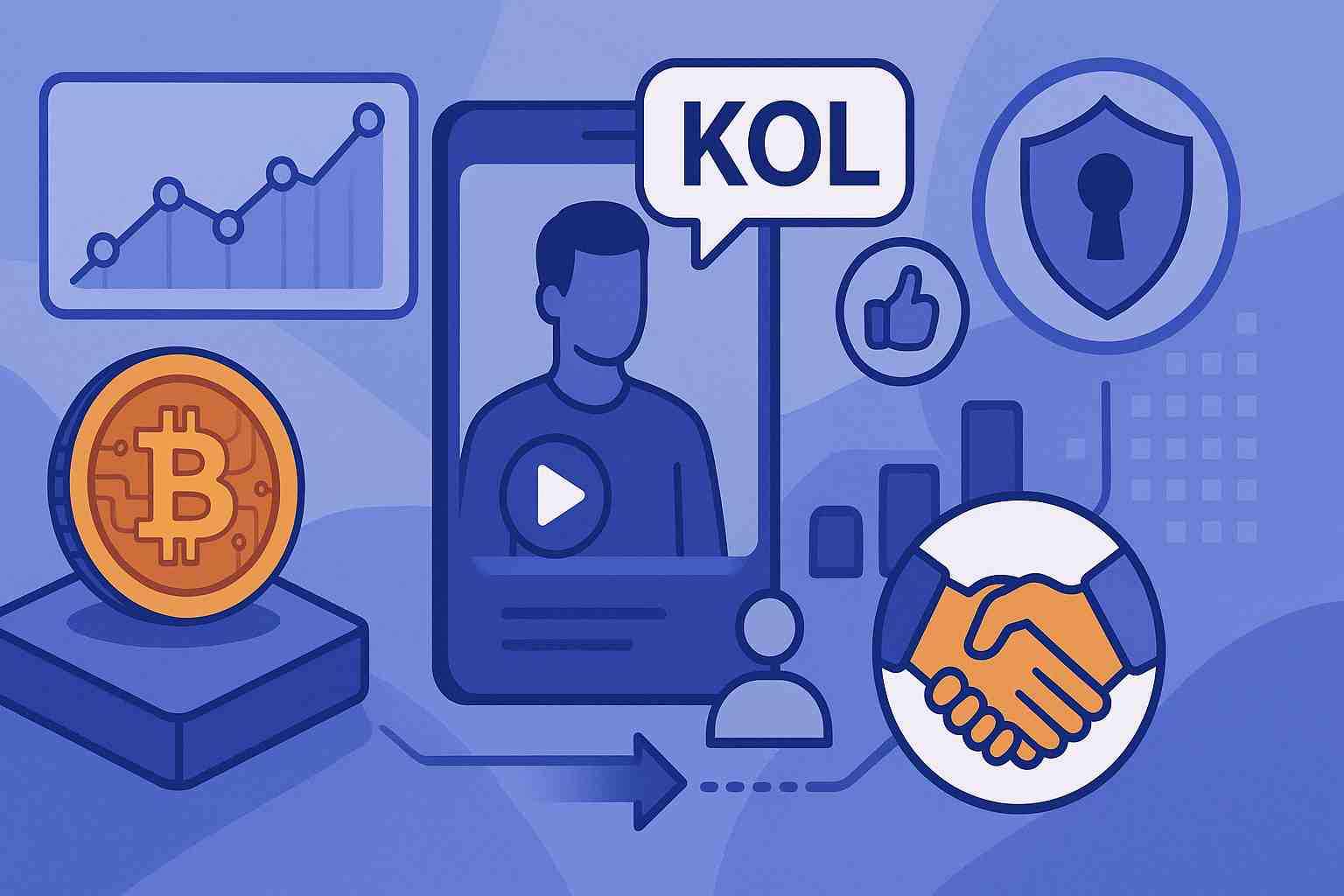
KOL participation is one of the strongest growth catalysts in Korean crypto communities. However, growth planning requires selective and strategic integration rather than mass endorsements. Effective KOL collaboration focuses on credibility, domain relevance, and long-term involvement. Korean audiences quickly identify superficial promotions, which can damage community trust. Instead, growth planning integrates KOLs as educators, discussion moderators, or governance contributors. This positions them as ecosystem participants rather than external promoters. When KOL voices align with the project’s narrative and values, their presence accelerates organic community expansion and reinforces legitimacy.
Establishing Community Governance Structures
Governance design directly influences community sustainability. Korean users often appreciate clear rules, transparent moderation policies, and predictable decision-making processes. Growth planning includes defining moderation roles, escalation procedures, voting mechanisms, and feedback channels. Early governance structures prevent misinformation, reduce conflict, and maintain discussion quality as the community scales. In decentralized projects, governance planning integrates token-based voting, proposal frameworks, and public decision records. This encourages long-term participation and transforms community members into stakeholders rather than passive followers.
Encouraging Meaningful Participation
Community growth is driven by participation quality rather than message volume. Growth planning includes designing activities that stimulate discussion, collaboration, and contribution. In Korea, structured AMAs, technical workshops, roadmap briefings, and governance reviews generate higher engagement than informal chat streams. Participation incentives can include recognition systems, contributor roles, and access privileges rather than purely financial rewards. A culture of contribution strengthens identity and loyalty, making the community resilient during market volatility and external criticism.
Managing Community Moderation and Reputation
Moderation is a strategic function in Korean crypto communities, not a reactive task. Growth planning defines moderation guidelines that balance openness with quality control. Korean users value respectful discourse and factual accuracy, so moderators play a key role in maintaining tone and preventing rumor amplification. Reputation management includes monitoring sentiment, addressing concerns promptly, and publishing clarifications when misinformation emerges. A transparent moderation framework reinforces trust and signals professionalism, which is essential in a market sensitive to scams and regulatory scrutiny.
Aligning Community Growth with Regulatory Context
Regulatory awareness shapes community behavior in Korea. Growth planning integrates compliance-friendly communication, risk disclosures, and jurisdiction-specific updates. Communities that ignore regulatory realities often lose credibility and face engagement decline. Korean users expect projects to demonstrate regulatory literacy and operational responsibility. Integrating regulatory briefings, policy summaries, and compliance updates into community content strengthens confidence and reduces uncertainty. This alignment positions the community as a reliable information hub rather than a speculative forum.
Building Long-Term Value Narratives
Sustainable community growth depends on long-term value narratives rather than short-term price movements. Growth planning emphasizes product development updates, partnership progress, and ecosystem milestones. Korean communities respond positively to consistent roadmap execution and transparent reporting. Regular progress summaries and development diaries maintain momentum and reinforce belief in the project’s trajectory. Over time, this narrative shifts community identity from investor-centric to ecosystem-centric, supporting adoption and advocacy.
Measuring Community Growth Performance
Performance measurement ensures growth strategies remain adaptive and data-driven. In Korea, key indicators include active participation rates, discussion depth, retention ratios, sentiment stability, and governance involvement. Growth planning integrates analytics tools and manual monitoring to capture both quantitative and qualitative signals. Regular performance reviews identify emerging leaders, declining engagement zones, and content gaps. This continuous feedback loop enables strategic adjustments that sustain momentum and prevent stagnation.
Managing Community Expansion Phases
Community growth occurs in phases, each requiring different strategies. Early phases focus on trust building and education, mid phases emphasize participation and governance, and mature phases prioritize decentralization and advocacy. Growth planning defines phase-specific tactics and resource allocation. In Korea, premature scaling often weakens cohesion, so expansion must align with product maturity and regulatory readiness. A phased approach preserves culture and maintains engagement quality as membership increases.
Integrating Offline and Hybrid Engagement
Offline and hybrid engagement strengthen community bonds in the Korean market. Growth planning includes meetups, seminars, hackathons, and conference participation. These interactions humanize the project and deepen relationships beyond digital channels. Hybrid formats combining online discussions with offline networking expand reach and diversify participation. Korean communities often show higher loyalty when members have opportunities for face-to-face interaction with founders, developers, and governance leaders.
Sustaining Community Culture and Identity
Culture defines the emotional foundation of a community. Growth planning includes articulating core values, behavioral norms, and collective goals. In Korea, communities often form strong identities around innovation, technical excellence, and national pride in digital leadership. Reinforcing this identity through storytelling, recognition programs, and milestone celebrations strengthens cohesion. A strong culture reduces churn and encourages organic advocacy, turning members into long-term ambassadors.
Preparing for Market Cycles and Crisis Scenarios
Crypto communities inevitably face volatility and external shocks. Growth planning includes crisis communication protocols, sentiment stabilization strategies, and leadership visibility plans. In Korea, transparent communication during downturns preserves credibility and prevents panic-driven exits. Regular updates, open forums, and factual clarifications maintain stability. Preparing for adverse scenarios ensures community resilience and protects long-term growth trajectories.
Conclusion
Planning community growth with crypto marketing in Korea requires a structured, culturally informed, and long-term approach. It begins with understanding the local ecosystem and defining precise objectives, followed by audience segmentation, narrative development, and platform design. Sustainable growth emerges from education, governance integration, credible KOL participation, and regulatory alignment. By prioritizing participation quality, cultural cohesion, and transparent communication, crypto projects can build resilient Korean communities that support adoption, innovation, and long-term ecosystem development. In a market where trust defines success, community growth planning becomes not just a marketing function but a core strategic discipline.













Write a comment ...