
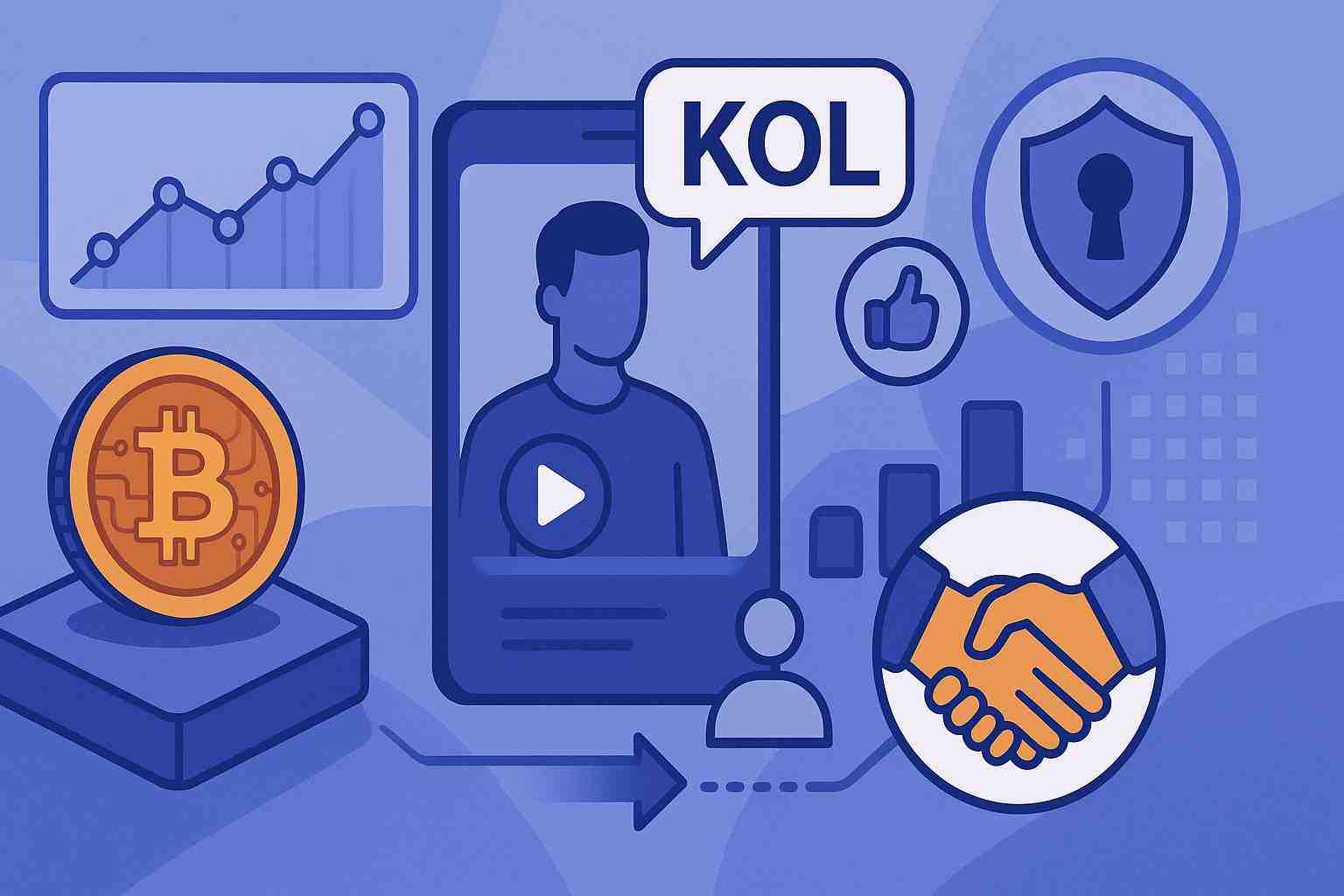
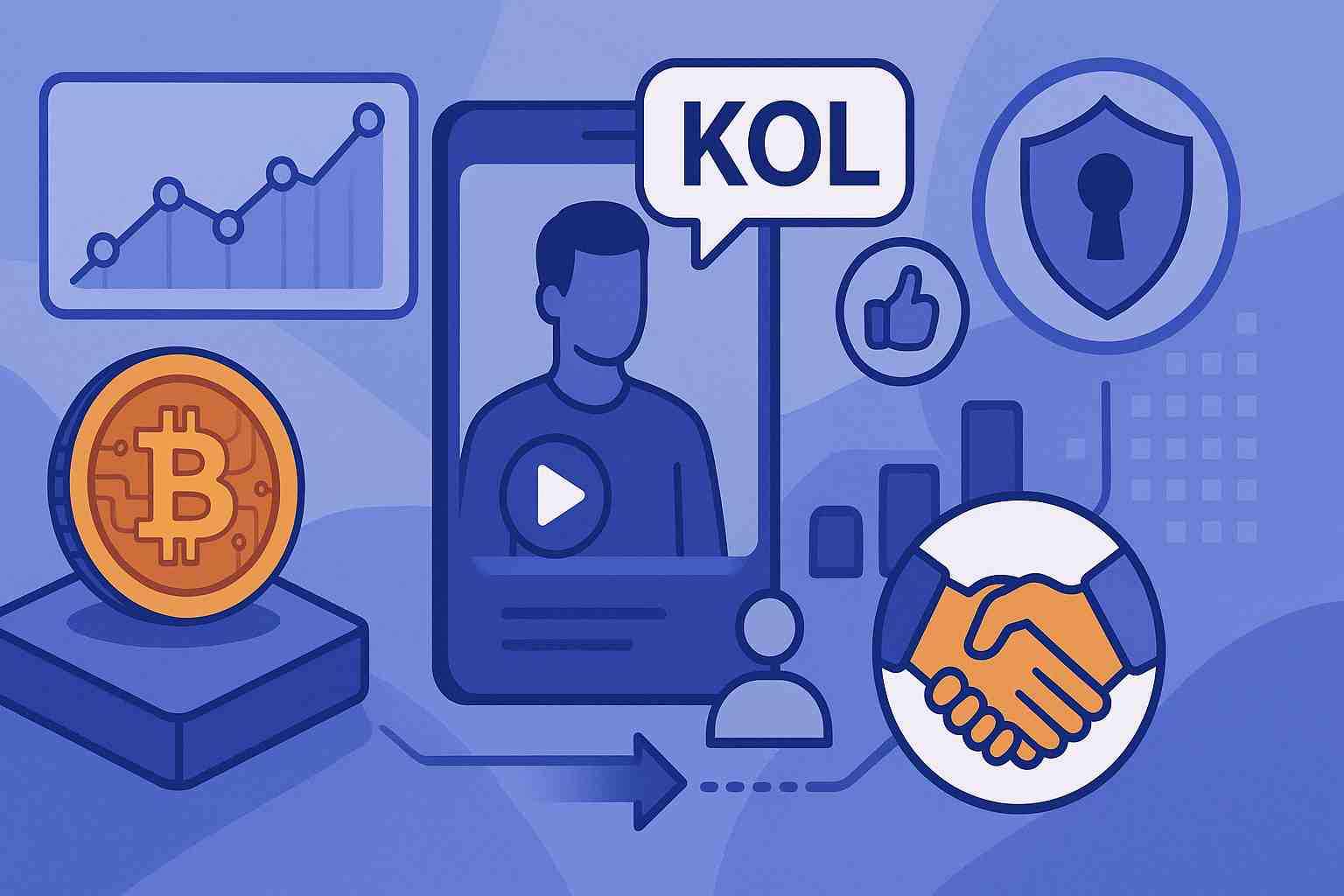
Crypto Key Opinion Leader (KOL) marketing has become a critical growth strategy for blockchain projects, NFT launches, DeFi platforms, and Web3 ventures. Unlike traditional advertising, KOL marketing leverages influential voices within the crypto ecosystem to build trust, awareness, and engagement. However, understanding the cost structure of KOL marketing is complex because it depends on the influencer’s reach, campaign type, region, and the project’s objectives. This guide provides an in-depth look at the factors influencing costs, typical pricing models, and strategies to maximize return on investment for blockchain projects in 2026.
Understanding Crypto KOL Marketing
Crypto KOL marketing involves collaborating with individuals who have authority and influence within the blockchain and cryptocurrency space. These KOLs can range from social media influencers and NFT creators to thought leaders and blockchain analysts. Their recommendations, reviews, and campaigns can directly impact a project’s credibility and adoption. Unlike generic marketing, KOL marketing is highly audience-driven, leveraging the trust and reach of these opinion leaders to promote token sales, NFT drops, or DeFi products effectively.
Factors Influencing KOL Marketing Costs
Several factors determine the cost of KOL marketing in crypto projects:
Influencer Tier: Nano, micro, mid-tier, and macro KOLs charge differently based on their audience size and engagement levels. Larger audiences and higher engagement typically mean higher fees.
Platform: Costs vary across Twitter, YouTube, Telegram, Discord, and emerging decentralized social networks. Video content often commands higher rates than static posts.
Campaign Type: Promotional posts, AMAs (Ask Me Anything), reviews, content creation, and long-term partnerships have differing pricing structures.
Project Scope: The complexity, duration, and reach of the campaign influence overall costs. Projects targeting global audiences will pay more than those focusing on niche communities.
KOL Reputation: Established KOLs with verified track records of boosting token sales or NFT engagement often charge premium rates.
Understanding these factors helps projects estimate budgets realistically and avoid overspending on campaigns that do not deliver measurable results.
Typical Pricing Models for Crypto KOL Marketing
Crypto KOL marketing campaigns follow several pricing models:
Per Post Pricing: KOLs charge a fixed fee per promotional post, tweet, or video. Rates vary depending on follower count, engagement, and content type.
Campaign-Based Pricing: Projects may negotiate a bundled fee for a multi-post, multi-platform campaign, often including content creation, posting, and analytics reporting.
Revenue Sharing / Performance-Based Pricing: Some KOLs accept payment based on the success of a campaign, such as token sales, NFT purchases, or referral conversions.
Long-Term Partnerships / Retainer Models: Agencies or KOLs may engage in ongoing collaborations with monthly retainers, offering continuous promotion, community engagement, and brand advocacy.
By choosing the right pricing model, blockchain projects can balance budget constraints with campaign effectiveness.
Average Cost Estimates
The cost of crypto KOL marketing can vary widely:
Nano KOLs (1K–10K followers): $50–$500 per post
Micro KOLs (10K–50K followers): $500–$2,500 per post
Mid-tier KOLs (50K–200K followers): $2,500–$10,000 per post
Macro KOLs (200K–1M+ followers): $10,000–$50,000+ per post
Additional costs may include content creation, paid promotions, and platform-specific fees. Long-term campaigns or revenue-sharing models can further affect total expenses. Projects should assess ROI carefully before committing to high-tier KOLs.
Choosing the Right KOL for Your Project
Selecting the right KOL involves evaluating credibility, relevance, audience alignment, and engagement metrics. Factors to consider:
Audience Demographics: Ensure the KOL’s followers match your project’s target audience in terms of geography, interests, and crypto adoption.
Engagement Rate: A large audience does not guarantee impact. High engagement is a better predictor of conversion.
Past Campaign Performance: Evaluate previous campaigns to understand the KOL’s effectiveness.
Content Style & Authenticity: The KOL’s communication style should align with your brand voice and project values.
Making informed choices reduces wasted spend and ensures campaigns deliver meaningful results.
Maximizing ROI from KOL Marketing
To maximize ROI, blockchain projects should adopt a strategic approach:
Set Clear Objectives: Define goals such as token sale participation, community growth, or NFT adoption before engaging KOLs.
Diversify Across Platforms: Use multiple KOLs on Twitter, YouTube, Discord, and Telegram to reach varied audiences.
Incorporate Performance Tracking: Monitor key metrics like engagement, referral clicks, conversions, and audience growth.
Engage Long-Term Partnerships: Continuous promotion through KOL partnerships often yields better results than one-off posts.
Combine KOL Marketing with Content Strategy: Integrate KOL campaigns with organic content, blogs, and PR efforts for amplified visibility.
These strategies ensure every dollar invested in KOL marketing drives measurable impact.
Emerging Trends in Crypto KOL Marketing
As the crypto ecosystem evolves, KOL marketing trends for 2026 include:
Decentralized Social Platforms: KOLs increasingly leverage Web3-native platforms to reach niche audiences.
NFT & Metaverse Promotions: KOLs integrate campaigns with NFT drops, gaming events, and virtual experiences.
AI-Driven Influencer Analytics: Agencies use AI tools to identify optimal KOLs based on audience sentiment, engagement, and authenticity.
Performance-Based Partnerships: More KOLs accept revenue-sharing or milestone-based payments, aligning incentives with campaign success.
Adopting these trends ensures blockchain projects remain competitive in a crowded digital space.
Working with Agencies vs. Direct KOLs
Projects can either engage KOLs directly or work through crypto marketing agencies:
Direct KOL Engagement: Offers lower overhead but requires extensive research, negotiation, and campaign management.
Agency Partnerships: Agencies manage multiple KOLs, handle compliance, coordinate content, and track performance. They provide convenience and scale but at higher cost.
The choice depends on project size, campaign complexity, and budget availability.
Conclusion
Crypto KOL marketing is a powerful tool for blockchain projects to gain visibility, credibility, and adoption. Costs vary widely based on influencer tier, campaign type, platform, and project objectives. By understanding the factors influencing pricing, selecting KOLs strategically, leveraging performance tracking, and adopting emerging trends, blockchain projects can optimize their marketing spend for maximum impact. In 2026, a combination of compliance, audience insights, and creative partnerships with KOLs will determine the success of crypto marketing campaigns.


















Write a comment ...