
In the rapidly evolving world of cryptocurrencies and Web3 projects, community management is no longer optional it's the backbone of a project’s long-term success. Crypto communities are not just groups of token holders or followers; they are active stakeholders who can influence adoption, trust, and market growth. Effective community management can transform passive audiences into engaged advocates, creating sustainable growth and resilience for your project. This blog explores the strategies, best practices, and tools you need to manage a crypto community effectively, fostering growth that lasts.
Understanding the Importance of a Crypto Community
A crypto community is the lifeblood of any blockchain or token project. Unlike traditional marketing audiences, crypto communities are highly participatory they contribute ideas, promote projects, and even act as informal support teams. A strong community can significantly enhance project credibility, attract new investors, and amplify marketing efforts organically.
Furthermore, crypto communities serve as real-time feedback loops. By listening to your community, you can identify pain points, improve tokenomics, or adjust project roadmaps. This transparency strengthens trust, which is critical in an industry prone to skepticism and scams. Without active community engagement, even a technically robust project risks fading into obscurity.
Defining Your Community Goals
Before you begin building or managing a community, it’s crucial to define clear goals. Are you aiming for brand awareness, token adoption, governance participation, or ecosystem growth? Each objective requires different engagement strategies.
For example, if your goal is token adoption, incentivizing members through airdrops, staking rewards, or referral programs may be effective. If your focus is on governance participation, you should prioritize education about voting mechanisms and DAO involvement. Clear goals help shape content strategy, engagement methods, and growth metrics, ensuring your community thrives in a structured way.
Choosing the Right Platforms for Engagement
Not all platforms are equally effective for every crypto community. Popular options include:
Discord: Ideal for real-time chat, community building, and hosting AMA sessions. Its role-based permissions and channels allow structured communication.
Telegram: Provides quick, large-scale engagement but can become noisy without moderation.
Twitter/X: Useful for broadcasting updates, announcements, and engaging crypto influencers.
Reddit: Great for fostering discussion threads, debates, and feedback.
Medium/Blog: Helps provide in-depth content, technical updates, and educational resources.
Selecting the right combination of platforms ensures that your community has accessible touchpoints while maintaining organized communication. Cross-platform synergy is also vital; content and announcements should be consistent across channels.
Crafting a Strong Community Onboarding Experience
First impressions matter. When new members join your crypto community, the onboarding process should be smooth, informative, and welcoming. This includes:
Clear instructions on how to join discussions, vote on proposals, or stake tokens.
Easy-to-understand FAQs and resources about the project’s purpose and tokenomics.
Welcoming messages from moderators and community leaders.
An effective onboarding experience reduces confusion, fosters trust, and encourages new members to participate actively from day one.
Fostering Engagement Through Content
Content is the heartbeat of community engagement. Sharing valuable, relevant content keeps members informed and involved. This includes:
Educational Content: Explaining tokenomics, blockchain technology, or upcoming features.
Updates and Announcements: Regular project progress reports, roadmap milestones, and partnerships.
Interactive Content: Polls, quizzes, challenges, and AMAs (Ask Me Anything) sessions.
Engaging content creates discussion and interaction rather than passive observation, making members feel invested in the community’s growth.
Implementing Incentive Programs
Incentives are a powerful way to boost community activity. Reward-based engagement encourages members to participate, share content, and recruit new members. Some popular incentive programs include:
Airdrops for active participants or referral programs.
NFT rewards or gamified achievements for community contributions.
Token staking benefits tied to community engagement.
Properly designed incentives promote loyalty and long-term participation while avoiding short-term hype-driven spikes that fade quickly.
Building Trust Through Transparency
Trust is paramount in the crypto space, where scams and misinformation are prevalent. Transparent communication ensures your community feels secure and informed. Key practices include:
Publishing regular project updates, including setbacks and challenges.
Sharing financials or treasury usage if applicable.
Maintaining open communication channels with community leaders or moderators.
Transparency fosters credibility, reduces rumor-driven panic, and strengthens the bond between the project team and its supporters.
Moderation and Conflict Management
A healthy community requires active moderation to maintain a positive environment. This includes:
Setting clear rules and guidelines to prevent spam, scams, or abusive behavior.
Addressing conflicts and misunderstandings promptly and fairly.
Implementing tiered moderation, where trusted community members assist moderators.
Balanced moderation ensures that the community remains welcoming while protecting members from bad actors, fostering long-term engagement.
Leveraging Community Feedback
Crypto communities are a valuable source of insight. By actively listening and responding to feedback, you can improve your project and align with user expectations. Techniques include:
Hosting AMA sessions to gather opinions.
Conducting polls or surveys on proposed features or tokenomics adjustments.
Monitoring discussions for recurring suggestions or concerns.
Incorporating feedback signals that the project values its community, increasing loyalty and involvement.
Engaging Influencers and Ambassadors
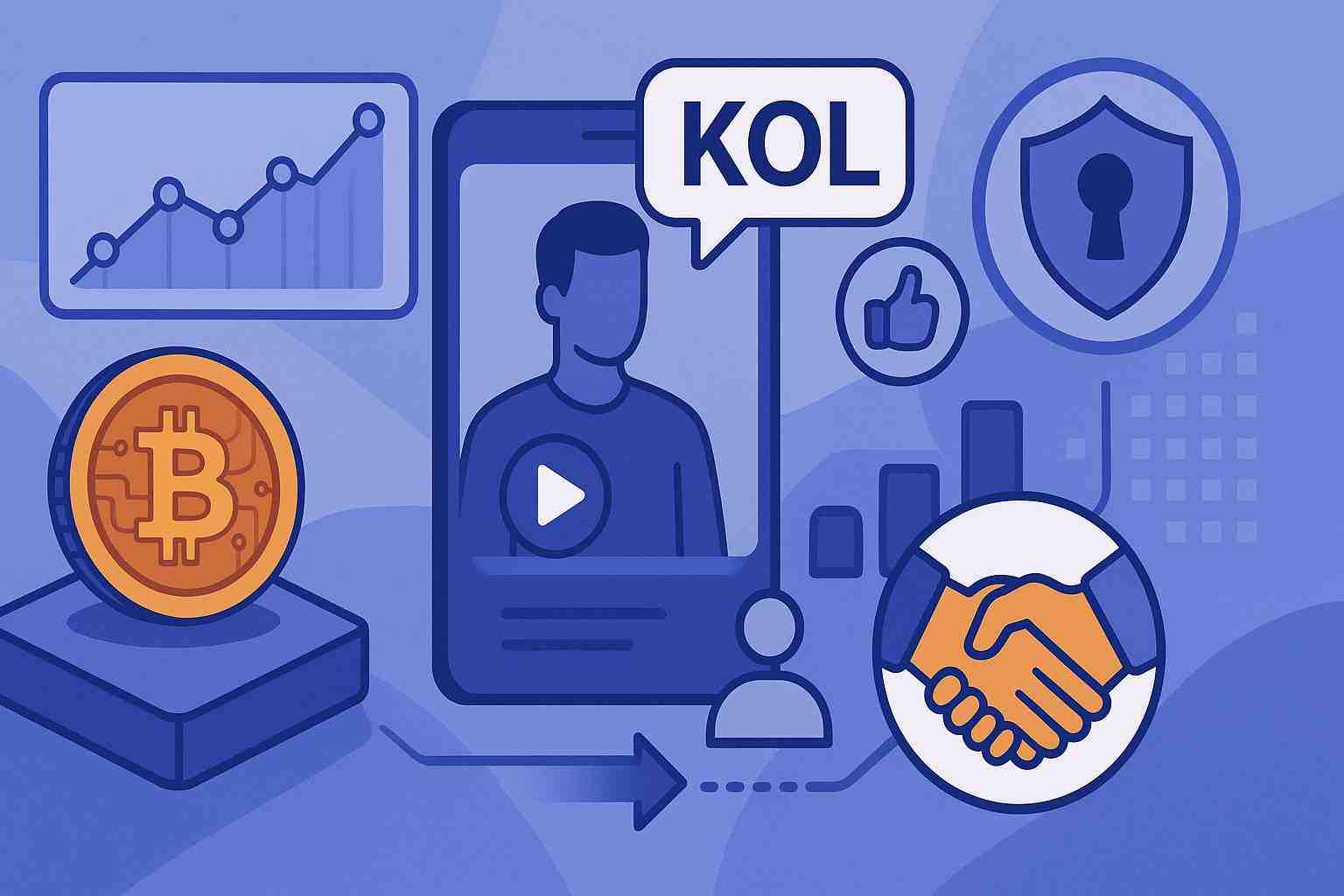
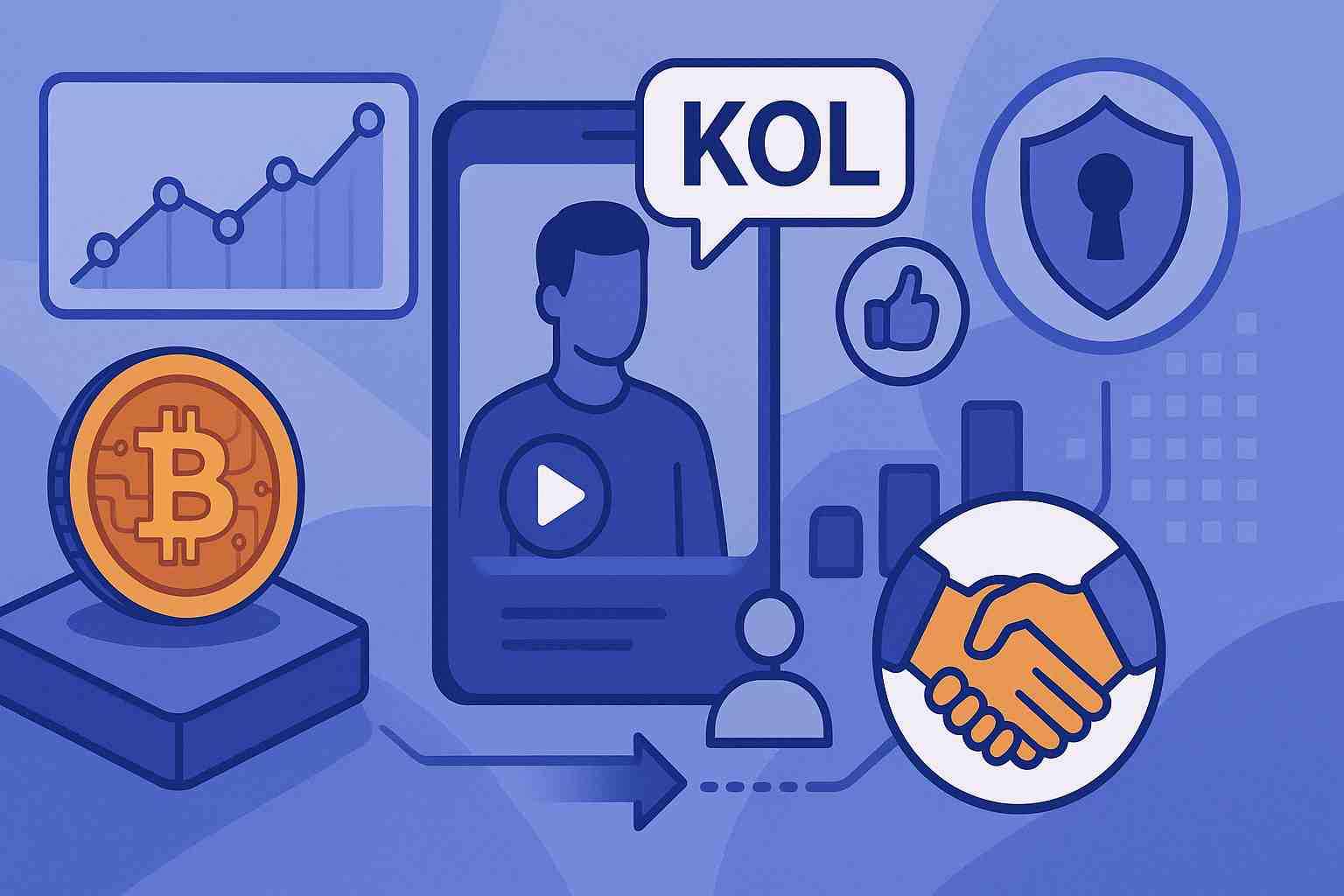
Influencers and community ambassadors play a critical role in amplifying your reach. Strategic partnerships with crypto thought leaders can:
Increase credibility among potential investors.
Promote events, airdrops, or token launches.
Educate audiences about your project’s unique value proposition.
Selecting influencers aligned with your community’s values and demographics ensures that outreach is authentic and effective.
Hosting Community Events
Regular events encourage interaction and create memorable experiences. Examples include:
AMA Sessions: Open forums with founders or developers.
Webinars and Workshops: Educational sessions about blockchain or project-specific topics.
Competitions and Contests: Creative challenges that reward engagement.
Events strengthen community cohesion, generate content, and keep the audience engaged beyond standard announcements.
Measuring Community Success
Metrics are essential to understand growth, engagement, and impact. Key metrics to track include:
Active vs. passive members across channels.
Engagement rates on posts, polls, or events.
Referral and recruitment metrics.
Community sentiment and feedback trends.
Regularly reviewing these metrics allows project teams to adjust strategies for sustainable growth and identify areas for improvement.
Ensuring Long-Term Sustainability
Community management is an ongoing effort. To sustain growth over time, projects should:
Maintain consistent content schedules.
Update engagement strategies as the community evolves.
Continue rewarding loyalty and participation.
Build governance mechanisms that empower the community to make decisions.
Sustainability comes from viewing the community not as a marketing tool but as a co-creator of value within the project ecosystem.
Conclusion
Effectively managing a crypto community for sustainable growth requires more than just regular updates or social media posts. It demands a strategic approach that prioritizes trust, transparency, engagement, and rewards. By focusing on clear goals, onboarding, content, moderation, feedback, and long-term sustainability, crypto projects can transform passive members into active advocates.
A thriving community not only accelerates adoption but also strengthens resilience against market volatility, ensuring the project’s long-term success. In the competitive and evolving crypto landscape, investing in strong community management is no longer optional—it is essential.














Write a comment ...